
Tell Us The Situation
Share the symptoms, the property, and any reports or plans you already have.
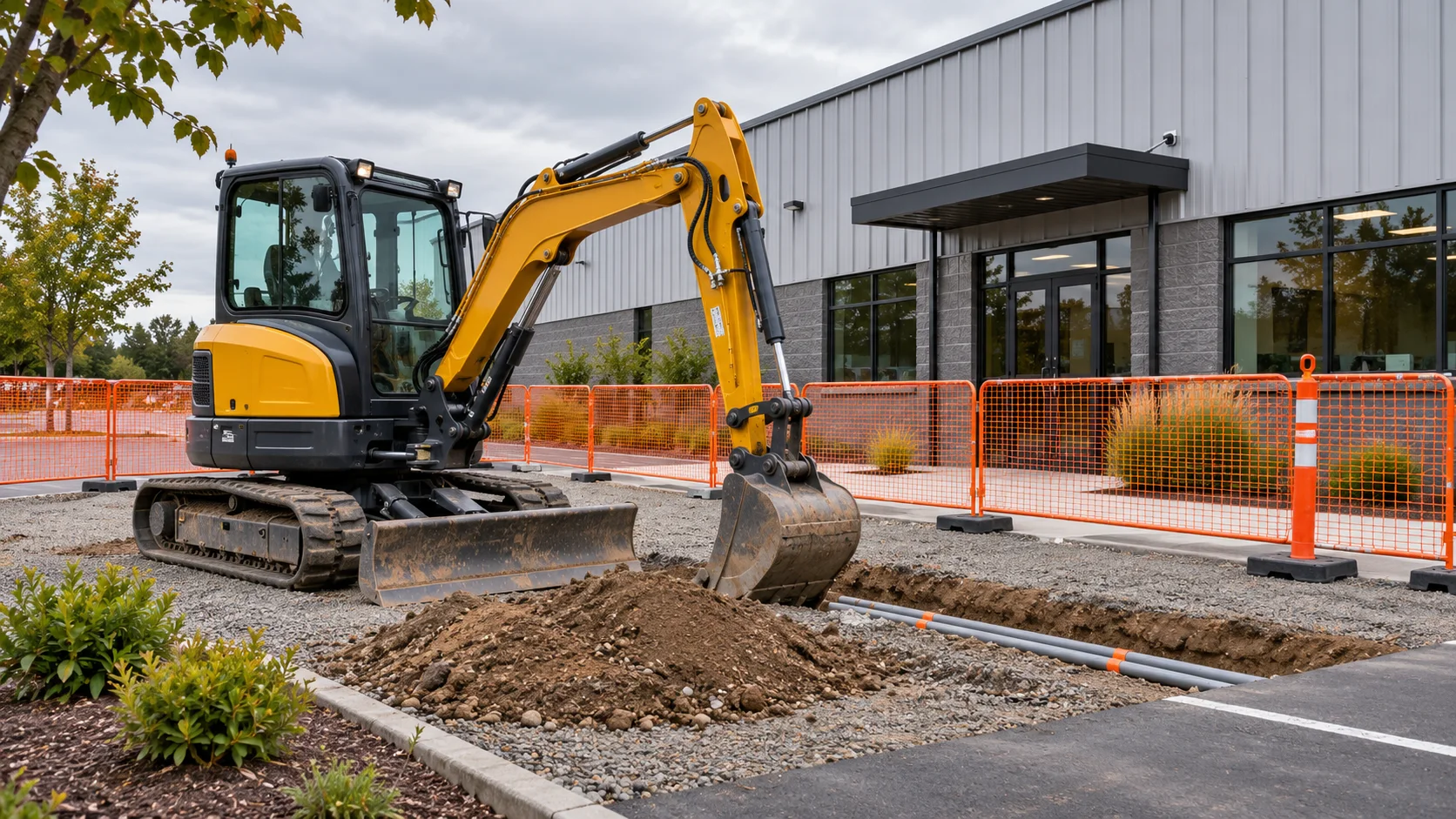
Commercial Excavation
Underground utility excavation with access, occupancy, and operations in view.
Start With The Situation
Commercial properties need a plan for more than equipment and soil. Deliveries, parking, customers, occupants, and business hours can all affect the work. Early coordination helps define a scope that addresses the underground need while making disruption understandable and manageable.
Begin with what is known, identify what needs confirmation, and connect the work to a clear plan for your property.
Discuss Commercial Excavation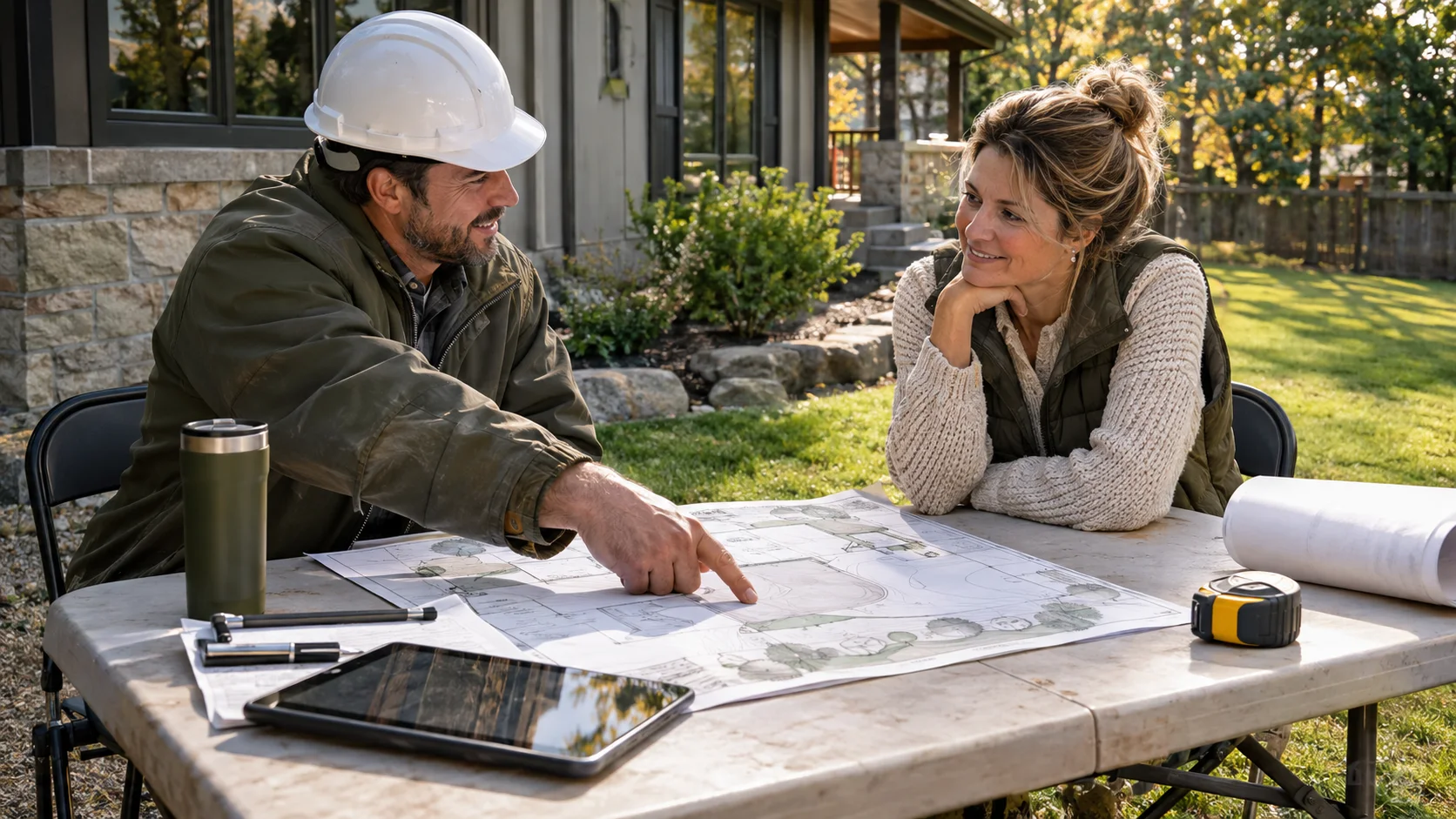
Plan The Details
Property managers, tenants, utility providers, installers, and inspectors may all have a role. Identify who approves the work, who receives updates, and who is responsible for access. A single clear communication plan reduces the chance that a service interruption or equipment arrival surprises the people using the property.
Make The Work Understandable
Discuss staging, access routes, temporary barriers, pedestrian movement, and any affected fire or emergency access. Pavement, loading areas, and existing utilities may influence the approach. Safety requirements and operational constraints should shape the work area before scheduling is finalized.
Permits, utility coordination, and applicable requirements should be confirmed for the specific location and scope.
Consider The Options
Phased work may help some properties, but it can also introduce additional mobilization, temporary connections, or restoration steps. Compare those trade-offs with the need to keep the property usable. The schedule should remain realistic about weather, inspections, and conditions discovered underground.
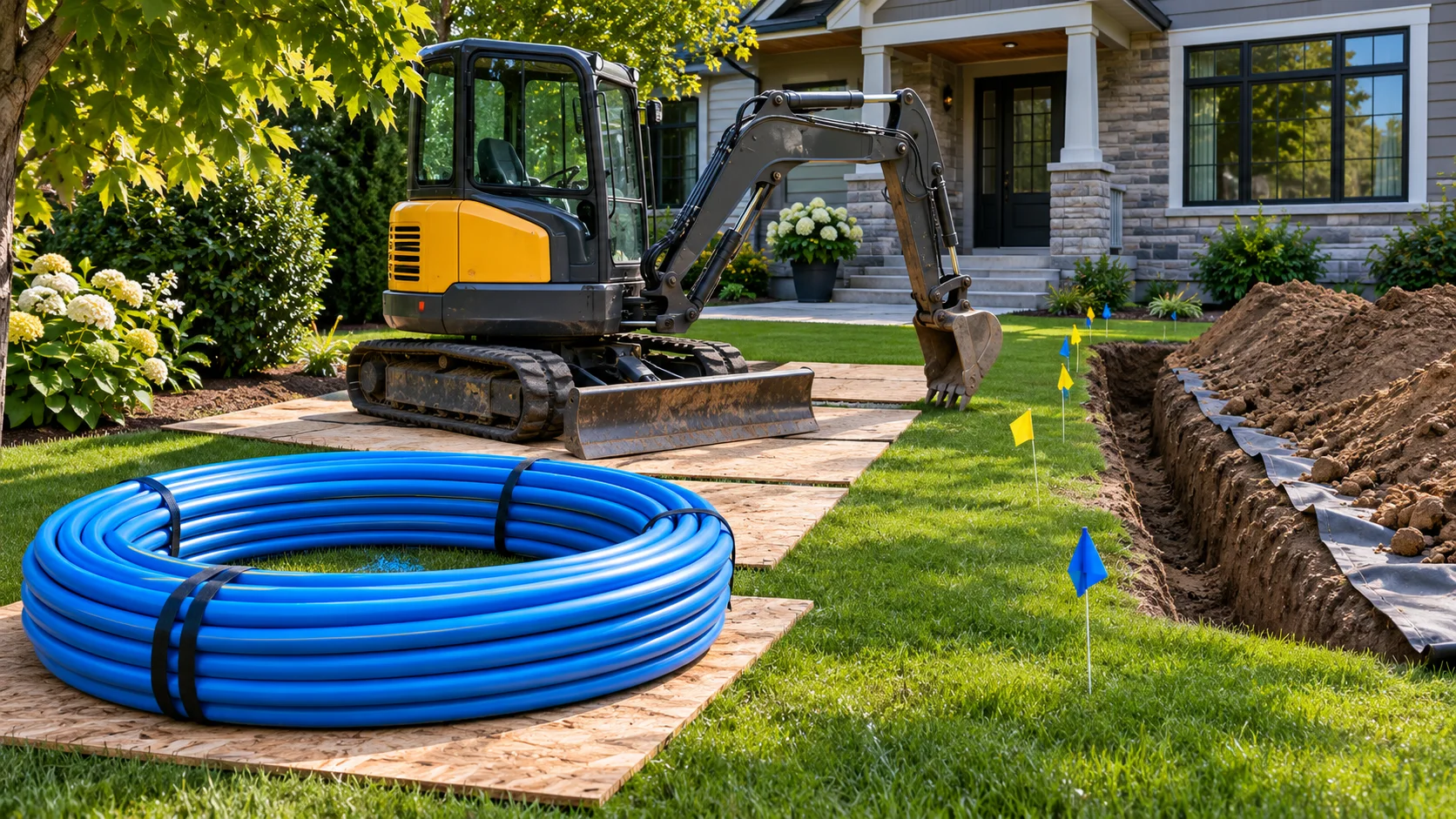
Prepare With Purpose
Testing, inspections, restoration, and any required records should be included in the handoff. Clarify whether pavement and landscaping finishes are temporary or final, and who handles follow-up work. Useful documentation helps property teams manage future maintenance and improvements.
Keep the working area clear and follow the project team’s access guidance. Never enter an excavation or move barriers to inspect the work yourself.
Plan The Next StepFrom First Call To Handoff
Share the symptoms, the property, and any reports or plans you already have.
Review the route, utilities, access, and details that shape the work.
Understand the approach, responsibilities, timing, and restoration plan.
Coordinate the work, checks, and handoff around the agreed scope.
Before We Begin
Sometimes, depending on the work and site. Access, safety, utilities, and operational requirements must be assessed before any commitment can be made.
Share the property type, any inspection reports or drawings, access concerns, and what prompted the project. Photos can help provide context, but they do not replace an on-site assessment.
Timing depends on the defined scope, utility coordination, permits, inspections, weather, and site access. Confirm the planned sequence and communication process before work begins.
Connected Work
From A Question To A Plan
Tell us about your property and the work you have in mind.