Tell Us The Situation
Share the symptoms, the property, and any reports or plans you already have.
Sewer Line Repair
Targeted excavation and repair planning for localized sewer-line defects.
Start With The Situation
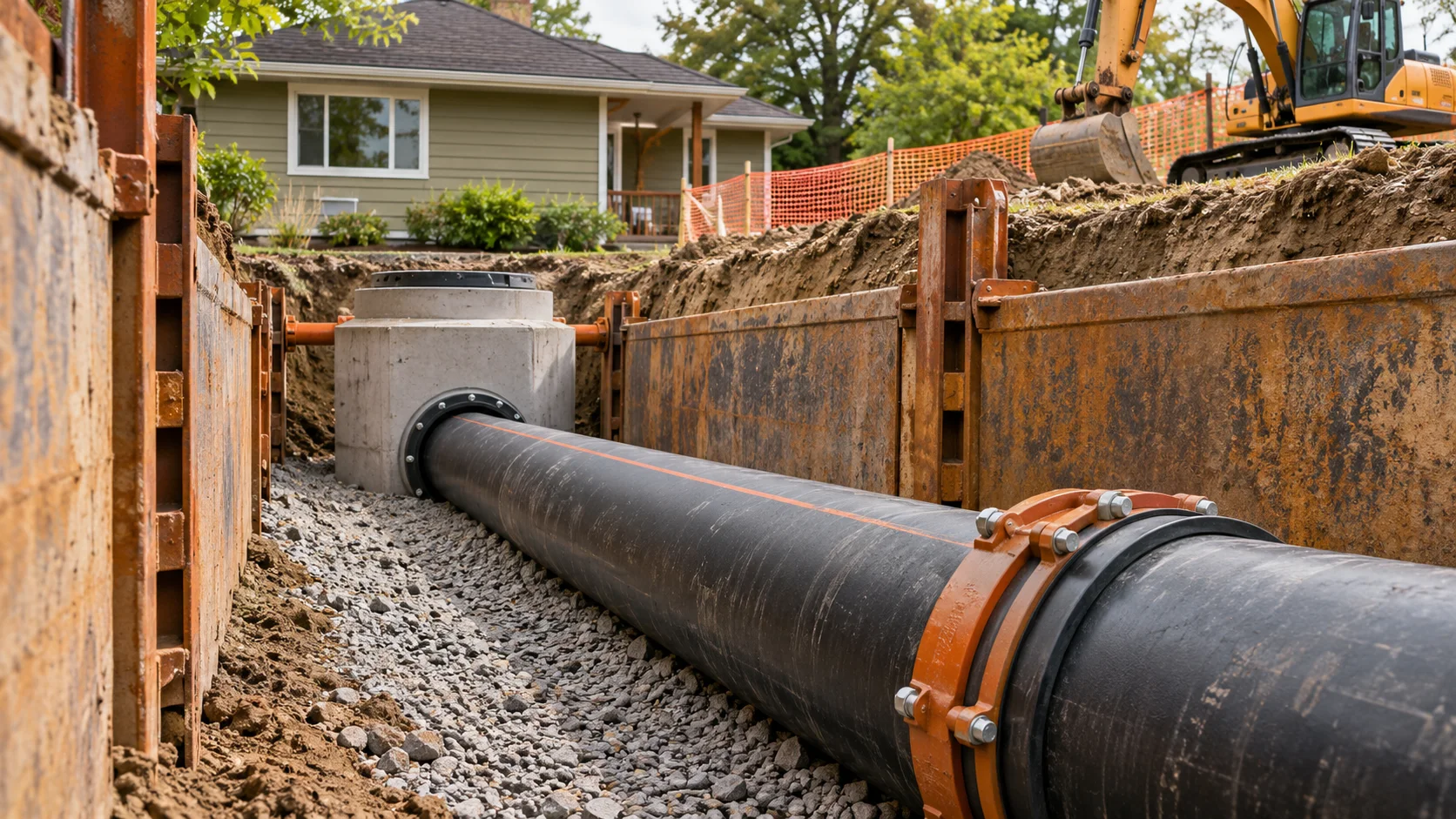
A damaged joint, separated connection, or isolated section of pipe may be suitable for a focused repair. The key is understanding whether the defect is local or part of broader deterioration. Inspection results and the condition of the adjoining pipe help define a repair that addresses the cause instead of repeatedly treating a symptom.
Begin with what is known, identify what needs confirmation, and connect the work to a clear plan for your property.
Discuss Sewer Line Repair
Plan The Details
Accurate location and depth information can reduce unnecessary digging, but field conditions still need verification. Nearby utilities, access restrictions, structures, and the pipe’s alignment influence how the repair is approached. The working area must accommodate appropriate excavation protection and safe access for the crew.
Make The Work Understandable
A repair should connect to suitable existing material with the appropriate transition and support. Ask how the repaired section will be inspected and tested, what happens if adjoining pipe is in worse condition than expected, and how the excavation will be backfilled. Those details are part of the repair, not afterthoughts.
Permits, utility coordination, and applicable requirements should be confirmed for the specific location and scope.
Consider The Options
A spot repair can be practical when the rest of the line is serviceable. If multiple defects, poor grade, or extensive deterioration are present, a broader solution may be more appropriate. The recommendation should describe those trade-offs clearly so you understand both the immediate work and remaining limitations.
Prepare With Purpose
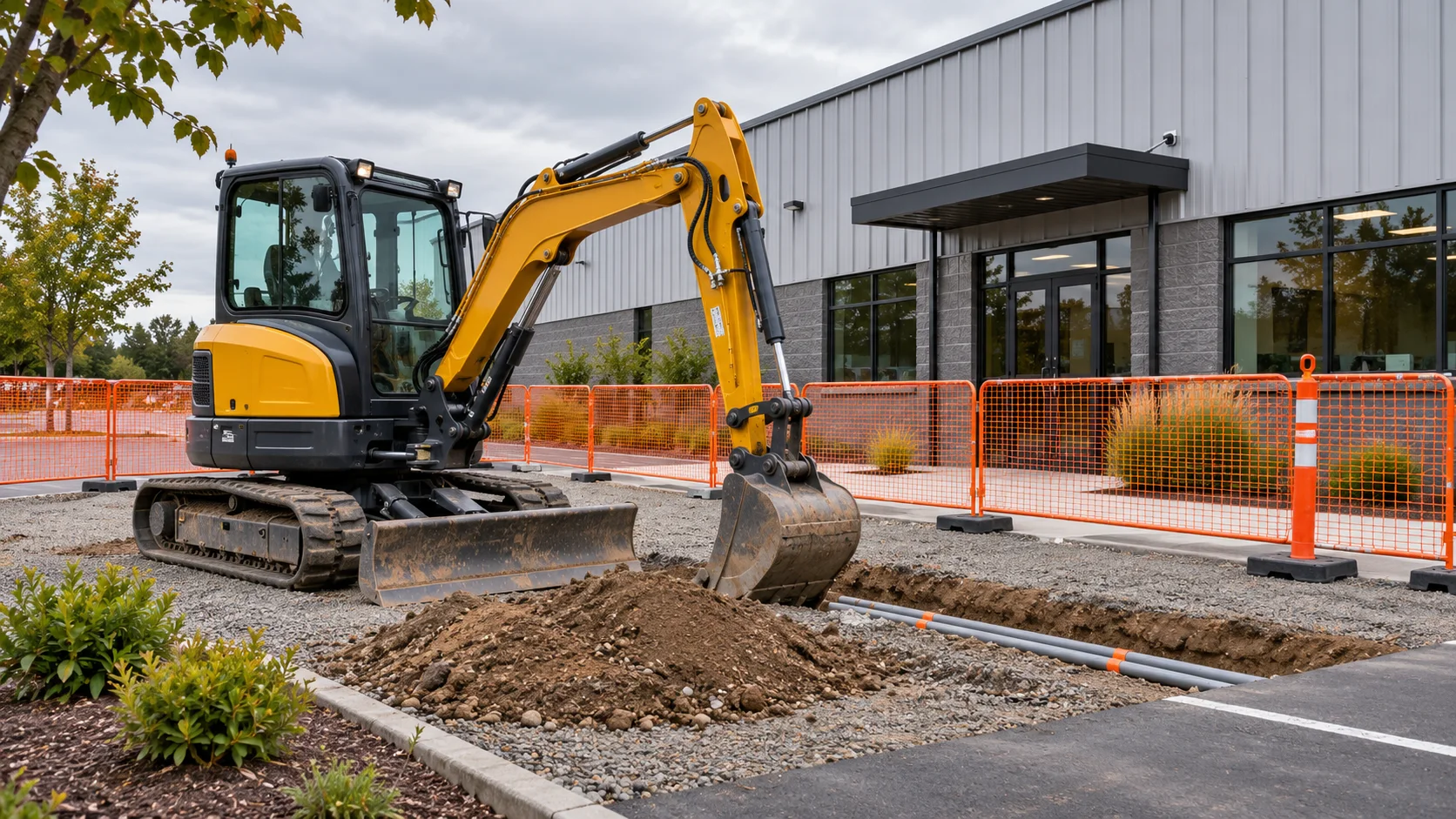
Share any prior inspection reports, recent repair history, and recurring symptoms. Discuss wastewater-use restrictions, access for equipment, and how the finished surface will be restored. Avoid entering the excavation or moving safety barriers; the site needs to remain controlled throughout the work.
Keep the working area clear and follow the project team’s access guidance. Never enter an excavation or move barriers to inspect the work yourself.
Plan The Next StepFrom First Call To Handoff
Share the symptoms, the property, and any reports or plans you already have.
Review the route, utilities, access, and details that shape the work.
Understand the approach, responsibilities, timing, and restoration plan.
Coordinate the work, checks, and handoff around the agreed scope.
Before We Begin
Only if the repaired defect is the cause. Other restrictions, poor grade, or damage elsewhere may remain. A useful assessment explains what the repair is expected to address and what it cannot confirm.
Share the property type, any inspection reports or drawings, access concerns, and what prompted the project. Photos can help provide context, but they do not replace an on-site assessment.
Timing depends on the defined scope, utility coordination, permits, inspections, weather, and site access. Confirm the planned sequence and communication process before work begins.
Connected Work
From A Question To A Plan
Tell us about your property and the work you have in mind.