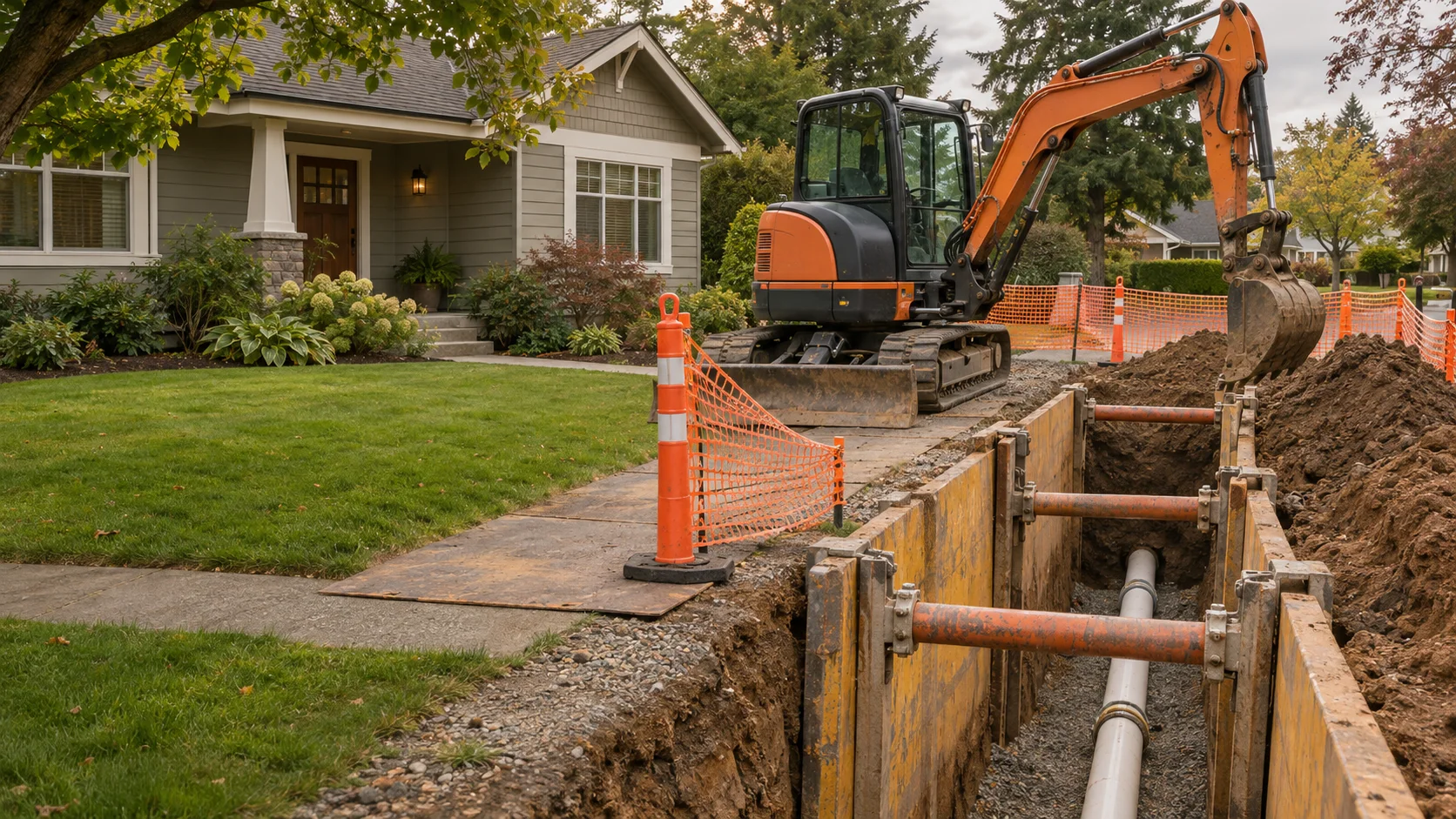
A good excavation project begins long before equipment reaches the property. The right questions help you understand the work, compare the scope, and plan around the people and places affected.
Start With The Problem, Not The Method
A recurring backup, water-service concern, or planned improvement is a reason to ask questions, not a diagnosis by itself. Collect any reports, drawings, and repair history you have. Explain what you notice and when it occurs. The recommended work should connect to those findings and the conditions at your property.
Ask What Needs To Be Confirmed
The route, depth, utilities, ground conditions, connections, and access may all require verification. Ask what is known already, what will be checked before work, and how unexpected findings will be handled. Clear assumptions help you understand the proposal and the reasons it might change.
Compare The Whole Scope
Two prices are difficult to compare if they describe different work. Review permits, utility coordination, pipe or material specifications, access protection, inspections, testing, backfill, and surface finishes. Identify work by other trades and any exclusions. A clearly written scope is more useful than a headline price alone.
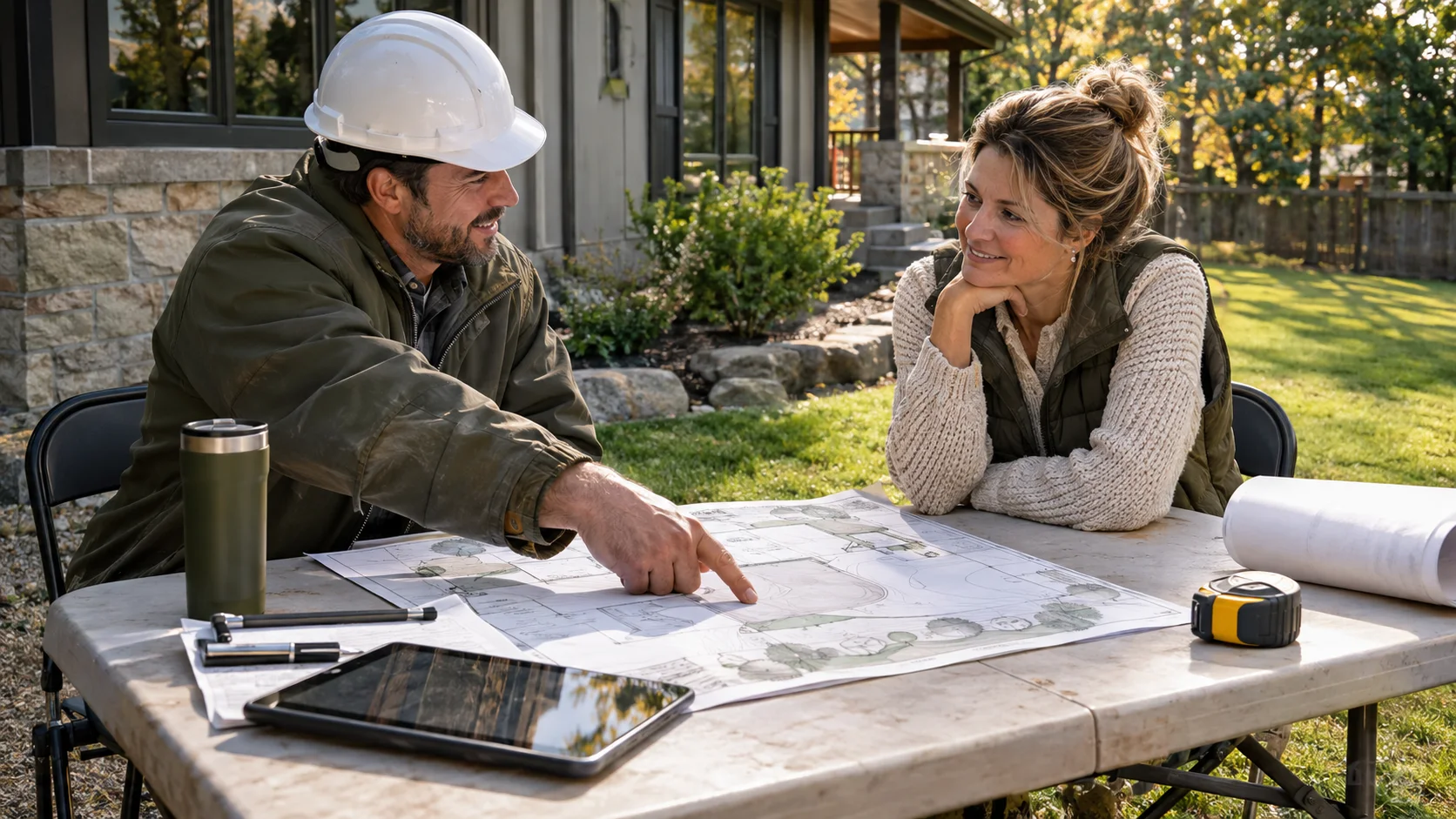
Talk About Everyday Use
Consider occupants, pets, deliveries, parking, and any service interruptions. Discuss when water or wastewater use may be restricted and how updates will be communicated. Keep people away from equipment and excavations. Never enter a trench or move barriers to look at work in progress.
Put Restoration In Writing
Ask what the site will look like when work is complete. Rough grading, finish grading, seed, sod, planting, paving, and temporary protection are different responsibilities. Weather or seasonal conditions may require staged finishes. Confirm what is included, who completes it, and what care or follow-up may be needed.
Know What A Good Handoff Includes
The final conversation should cover any completed checks, records available, remaining work, and how to protect the restored area. Ask who to contact if a concern appears. Good documentation helps you manage the property beyond the immediate project. This guide is general information; the appropriate work depends on the site and applicable requirements.
This is planning information, not instructions for excavation or utility work. Qualified professionals and applicable authorities determine site-specific requirements.