
Tell Us The Situation
Share the symptoms, the property, and any reports or plans you already have.
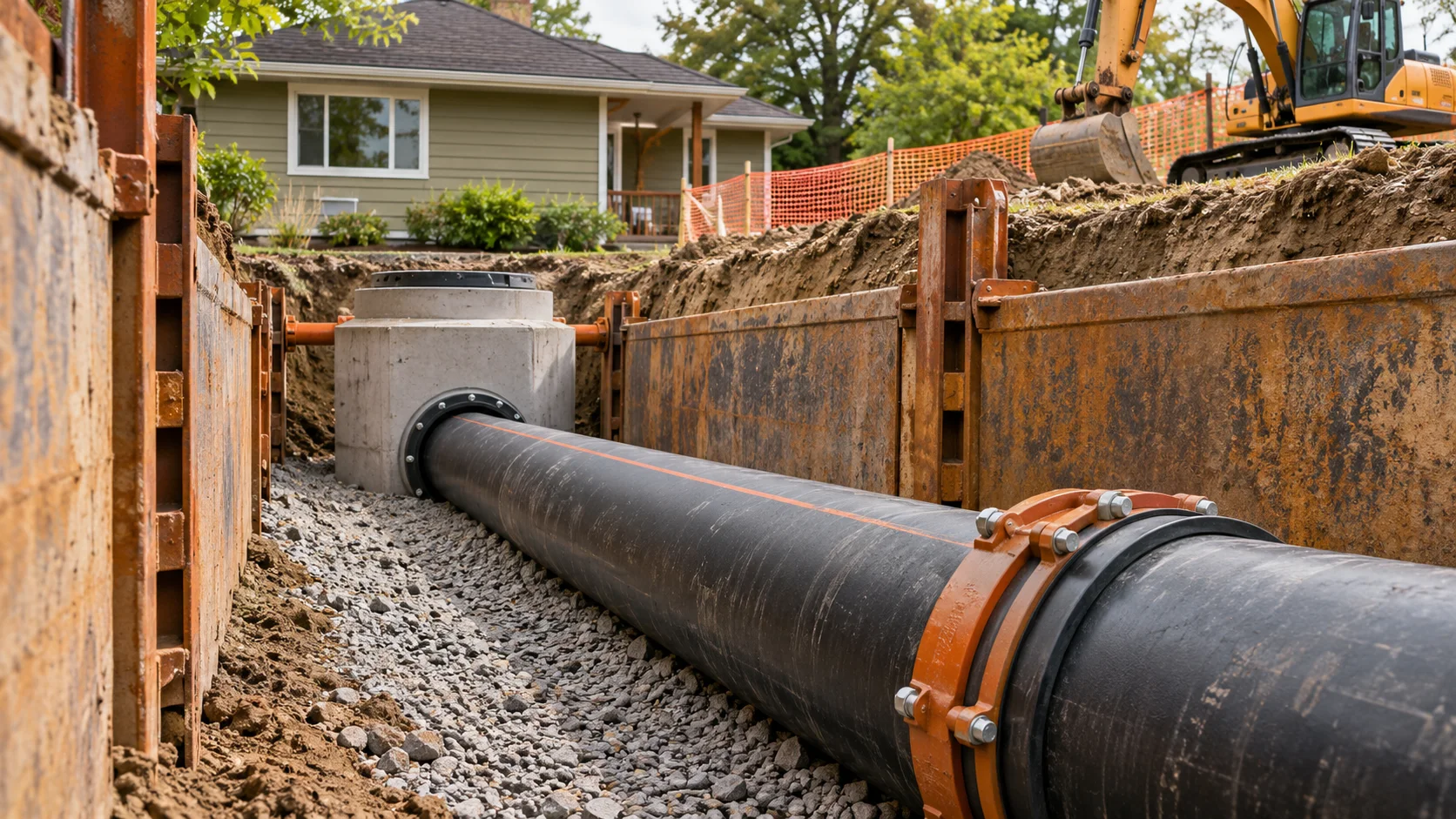
Sewer Line Replacement
Replace worn or damaged sewer piping with a plan for the route, the connection, and the ground above it.
Start With The Situation
Recurring backups, broken pipe, root-damaged joints, or a line that no longer holds its grade can make replacement worth considering. Symptoms alone do not establish the cause. Inspection findings, pipe location, and site conditions should shape the decision before an excavation is scheduled.
Begin with what is known, identify what needs confirmation, and connect the work to a clear plan for your property.
Discuss Sewer Line Replacement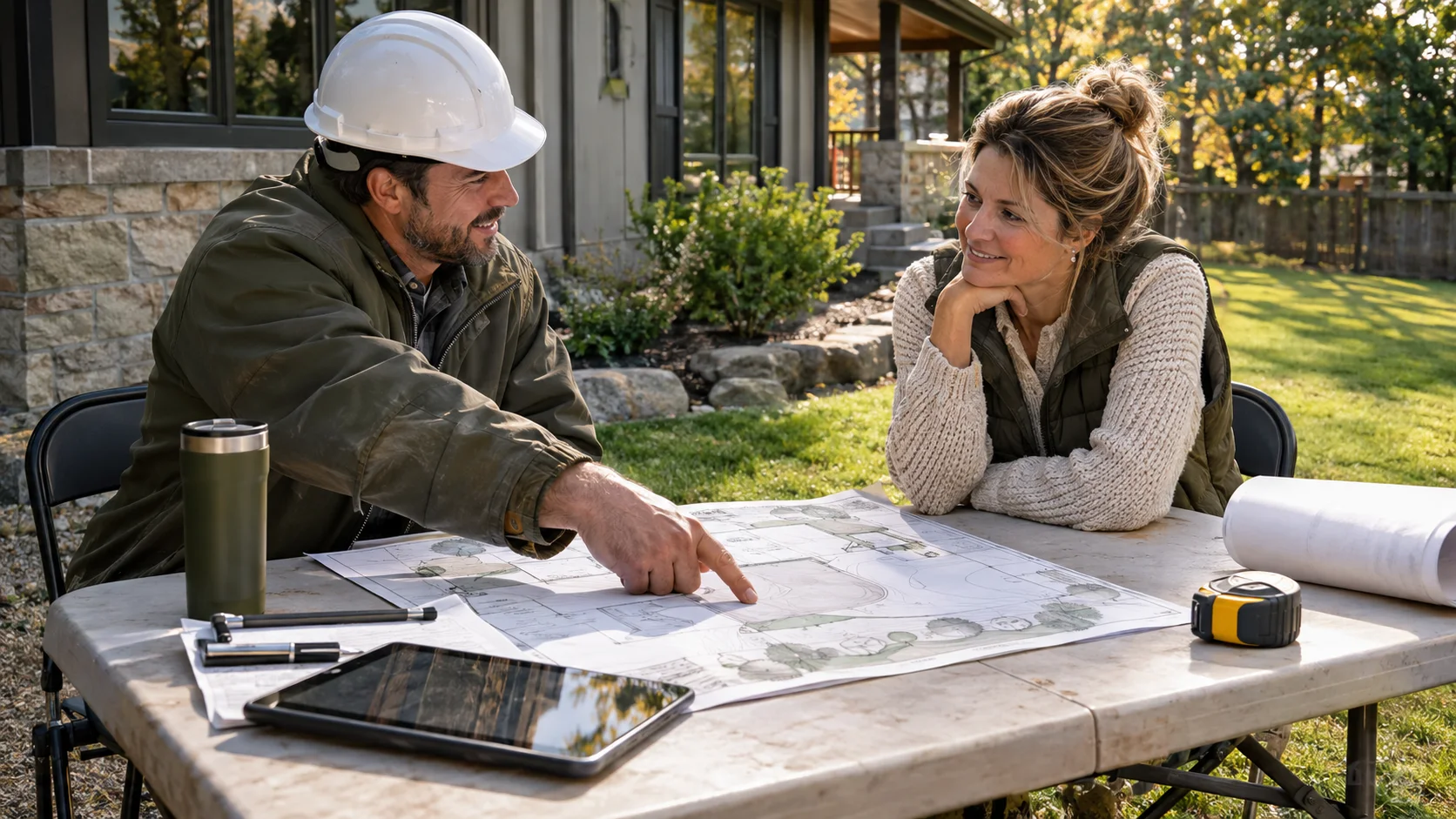
Plan The Details
The route from the building to the approved connection determines much of the work. Pipe depth, nearby utilities, tree roots, driveways, and the available working area all matter. We consider how the new line will meet the required slope, where connections will occur, and how access can be managed without making assumptions about what is underground.
Make The Work Understandable
A useful proposal identifies the section being replaced, the pipe material, connection responsibilities, excavation limits, testing, and surface restoration. Ask whether permits, public-side coordination, pavement work, and landscape repair are included or handled separately. A detailed scope makes it easier to compare options and understand where site discoveries could change the plan.
Permits, utility coordination, and applicable requirements should be confirmed for the specific location and scope.
Consider The Options
Replacement and spot repair solve different problems. A localized defect may not justify replacing a sound line; widespread deterioration or repeated failures can make a longer replacement more sensible. The assessment should explain why the proposed extent is appropriate, not simply default to the largest job.

Prepare With Purpose
Before work begins, discuss when wastewater service may be unavailable, what occupants should avoid using, and how the schedule will be communicated. Weather, inspections, and unexpected conditions can affect timing. Temporary arrangements should be agreed in advance rather than improvised when the line is already open.
Keep the working area clear and follow the project team’s access guidance. Never enter an excavation or move barriers to inspect the work yourself.
Plan The Next StepFrom First Call To Handoff
Share the symptoms, the property, and any reports or plans you already have.
Review the route, utilities, access, and details that shape the work.
Understand the approach, responsibilities, timing, and restoration plan.
Coordinate the work, checks, and handoff around the agreed scope.
Before We Begin
Depth, length, access, surface materials, existing utilities, connection details, and local requirements all affect price. A property-specific assessment is needed before a reliable quote can be offered.
Share the property type, any inspection reports or drawings, access concerns, and what prompted the project. Photos can help provide context, but they do not replace an on-site assessment.
Timing depends on the defined scope, utility coordination, permits, inspections, weather, and site access. Confirm the planned sequence and communication process before work begins.
Connected Work
From A Question To A Plan
Tell us about your property and the work you have in mind.