Tell Us The Situation
Share the symptoms, the property, and any reports or plans you already have.
Trenchless Line Options
Compare suitable trenchless approaches with conventional excavation before choosing a method.
Start With The Situation
Trenchless work can reduce some excavation, but it is not a universal answer. Existing pipe condition, route geometry, connections, depth, soil, utility conflicts, and the replacement goal all influence suitability. The first step is a property-specific review that explains which methods are feasible and which are not.
Begin with what is known, identify what needs confirmation, and connect the work to a clear plan for your property.
Discuss Trenchless Line Options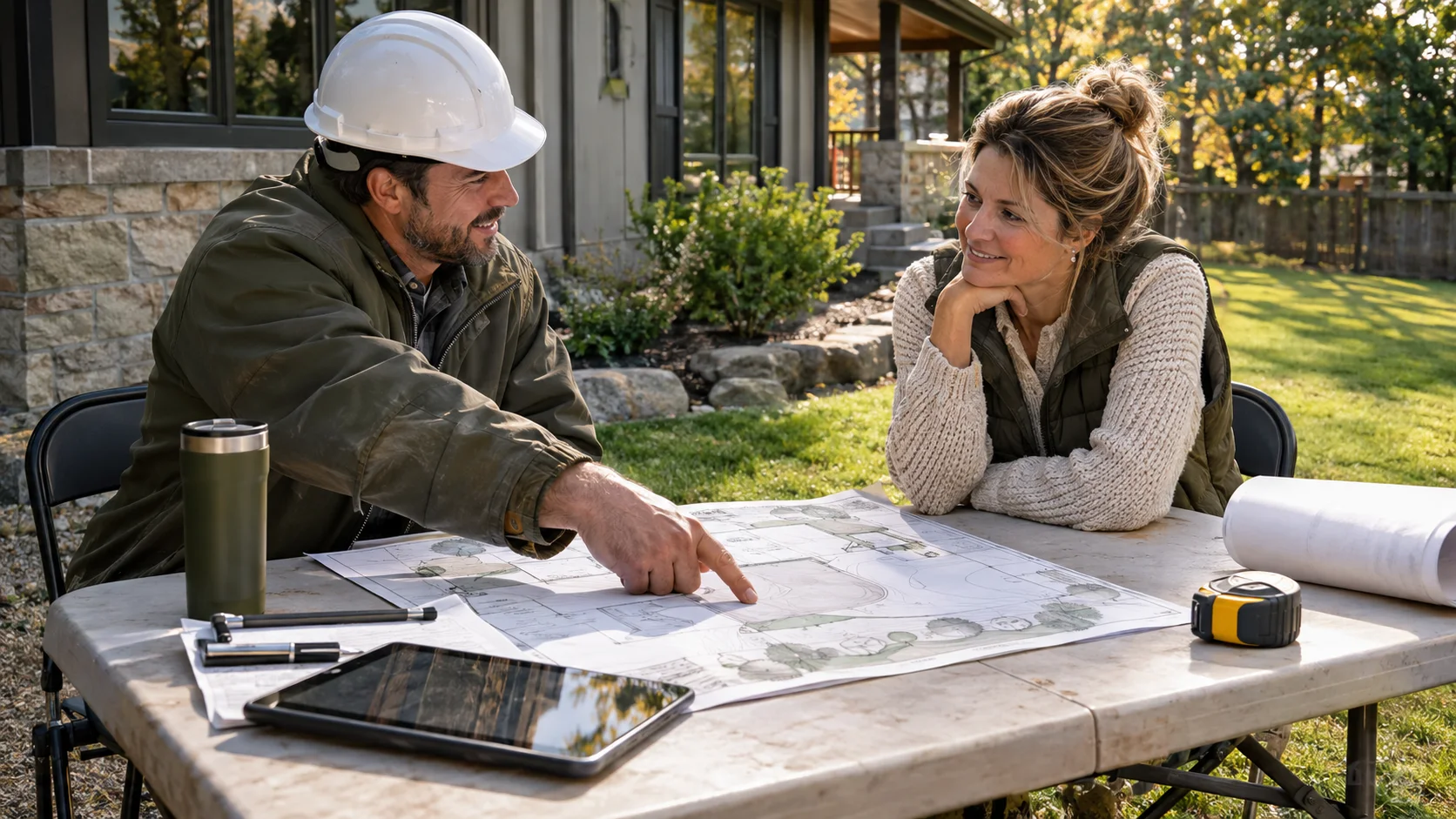
Plan The Details
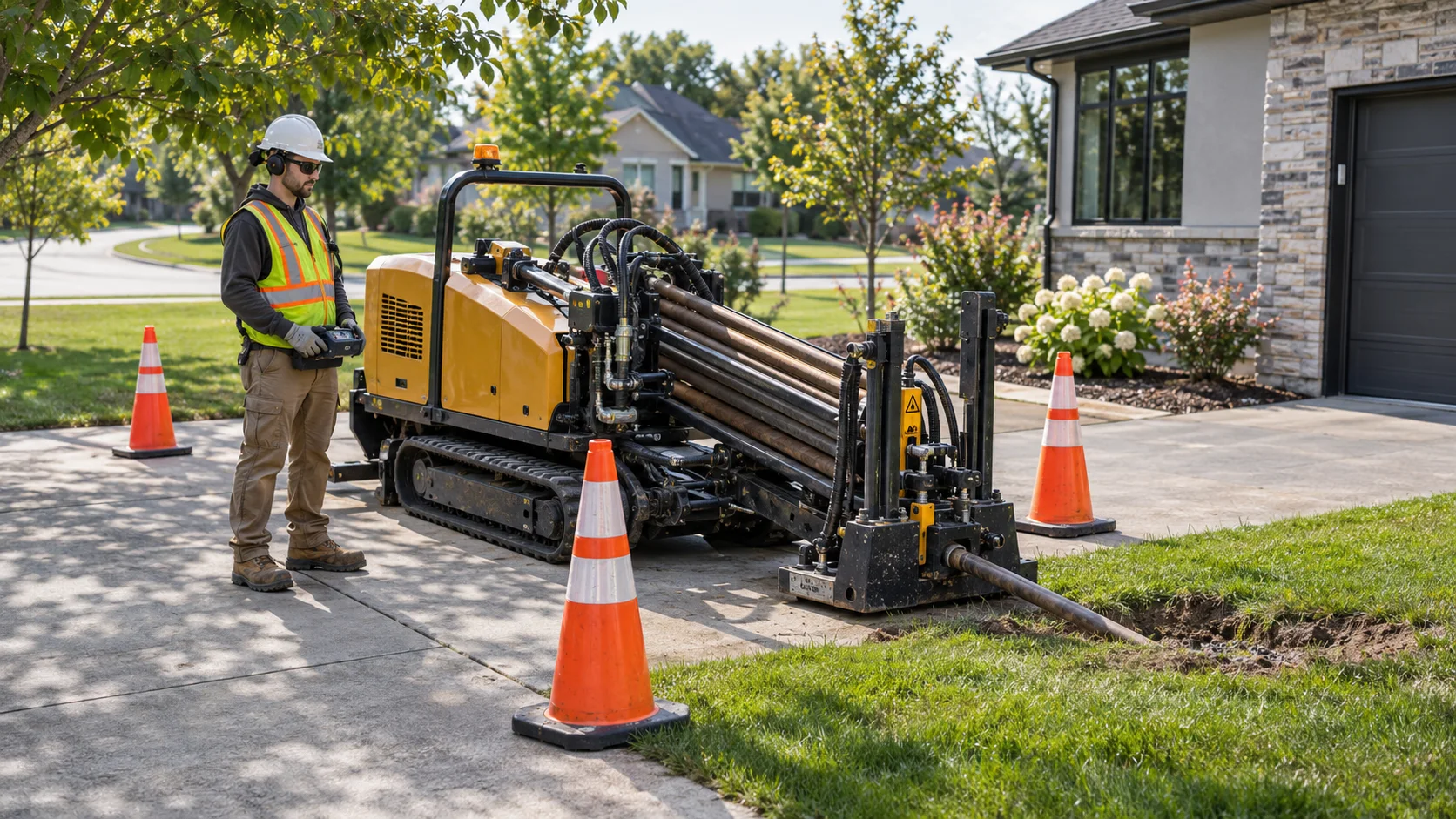
Pipe bursting, directional boring, and other trenchless techniques serve different purposes and have different limitations. They may require launch and receiving pits, changes at connections, and room for equipment. Ask which method is proposed, why it fits the site, and what excavation will still be needed.
Make The Work Understandable
A fair comparison includes access pits, utility coordination, permits, inspections, connections, testing, and restoration. A smaller visible trench does not automatically mean a lower total cost or zero disturbance. Consider the complete work plan and the long-term suitability of the resulting line.
Permits, utility coordination, and applicable requirements should be confirmed for the specific location and scope.
Consider The Options
Some conditions make open excavation the more practical or necessary approach, including certain collapsed sections, alignment problems, or connection requirements. An honest recommendation should identify these constraints early. The goal is a sound installation with understood trade-offs, rather than choosing a method for its label.
Prepare With Purpose
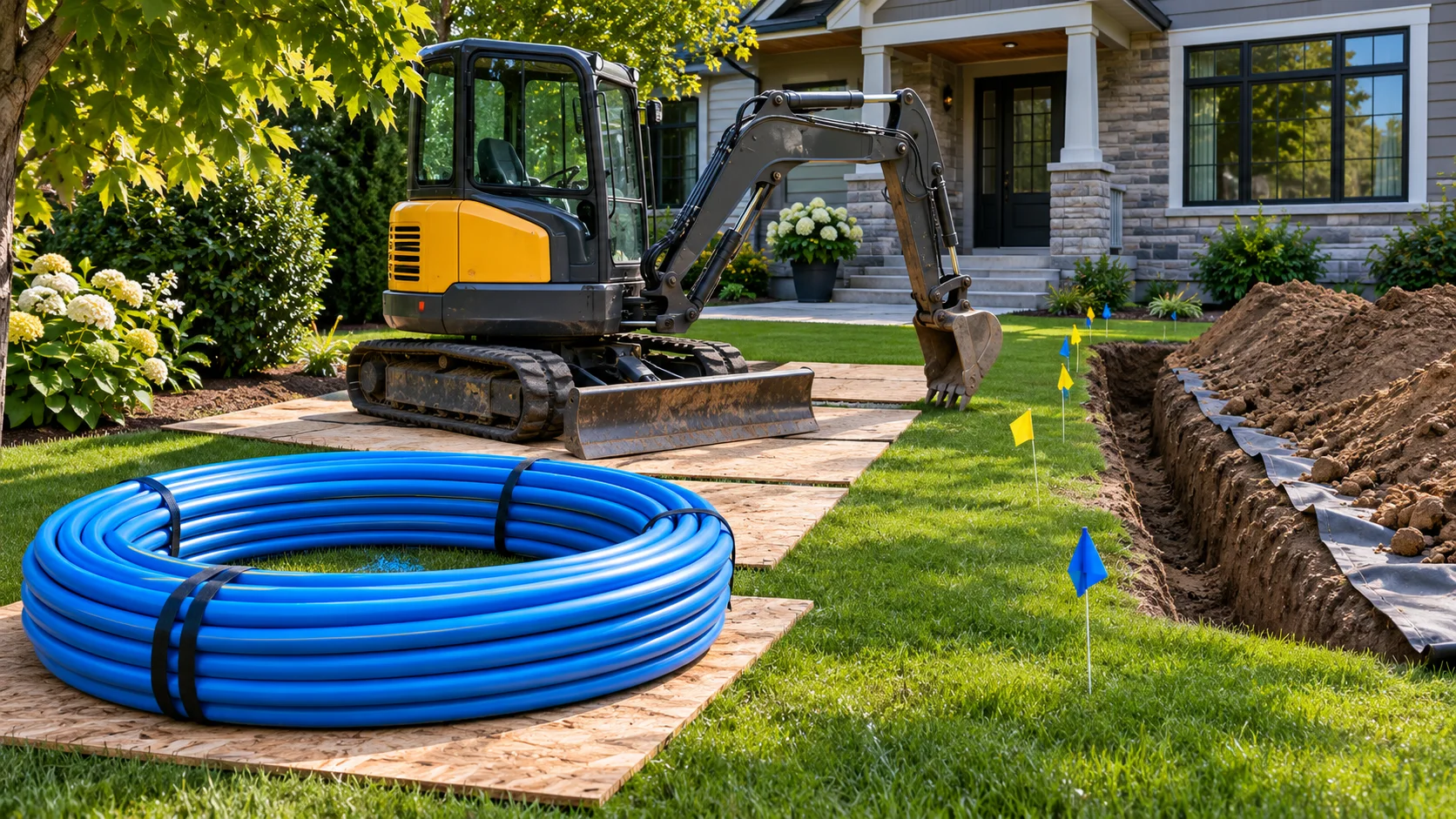
Even limited-dig methods need a working area. Discuss machine access, ground protection, landscaping, overhead clearance, and how material will be staged. The site should be assessed for access and safety before equipment arrives, with responsibilities for protection and restoration clearly stated.
Keep the working area clear and follow the project team’s access guidance. Never enter an excavation or move barriers to inspect the work yourself.
Plan The Next StepFrom First Call To Handoff
Share the symptoms, the property, and any reports or plans you already have.
Review the route, utilities, access, and details that shape the work.
Understand the approach, responsibilities, timing, and restoration plan.
Coordinate the work, checks, and handoff around the agreed scope.
Before We Begin
Usually not. Access and connection pits may still be needed. The amount of excavation depends on the selected method and the conditions of the property.
Share the property type, any inspection reports or drawings, access concerns, and what prompted the project. Photos can help provide context, but they do not replace an on-site assessment.
Timing depends on the defined scope, utility coordination, permits, inspections, weather, and site access. Confirm the planned sequence and communication process before work begins.
Connected Work
From A Question To A Plan
Tell us about your property and the work you have in mind.